
Flexible LED Mesh Screen
A lightweight, high-transparency LED mesh screen for building facades, stages and media facades. Rollable and flexible, it bends into arches, circles and waves for any shape your project demands — with custom sizes and removable strips for limitless creative installations.
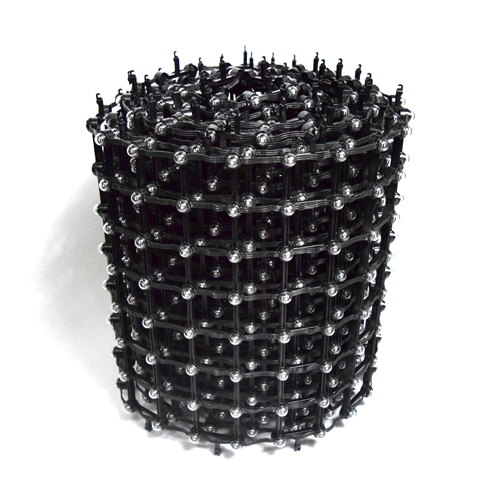
Ultra Flexible
Review the supported bend radius, fixing method and dimensions for the proposed creative layout.
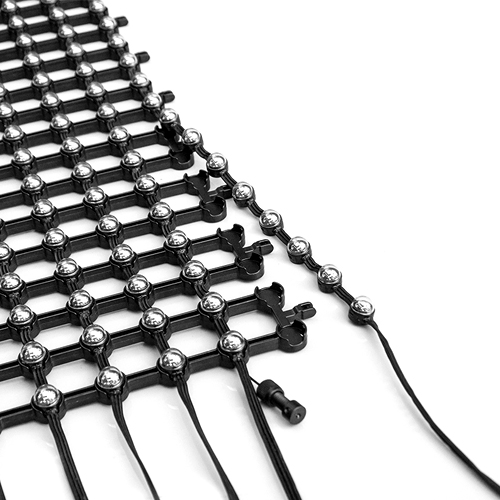
High Transparency
Compare model-specific openness with image density, viewing distance and the intended facade appearance.
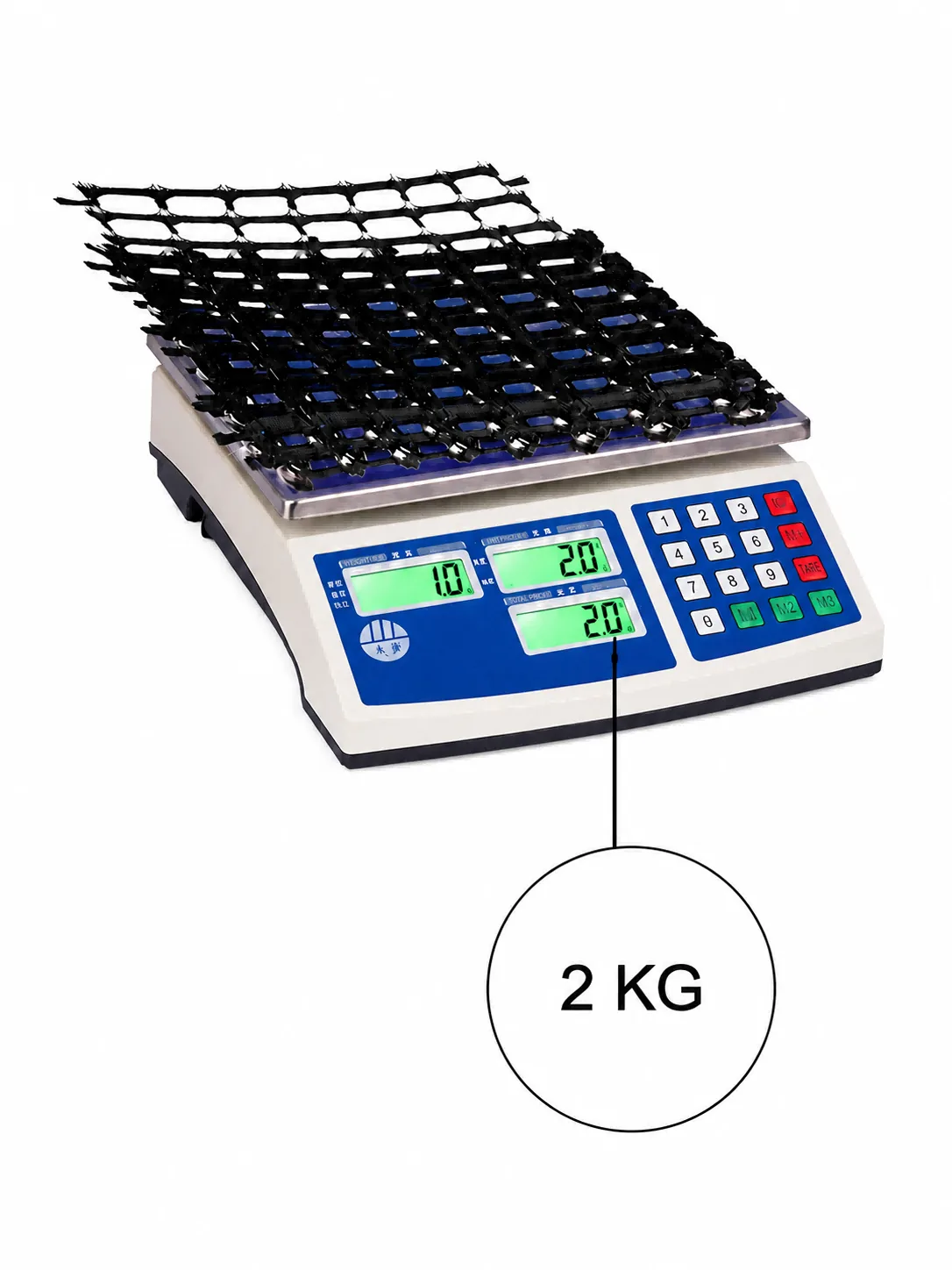
Feather Light
Confirm weight per square metre for the selected model. Compare the complete packed system, including support hardware, power supplies and cables.
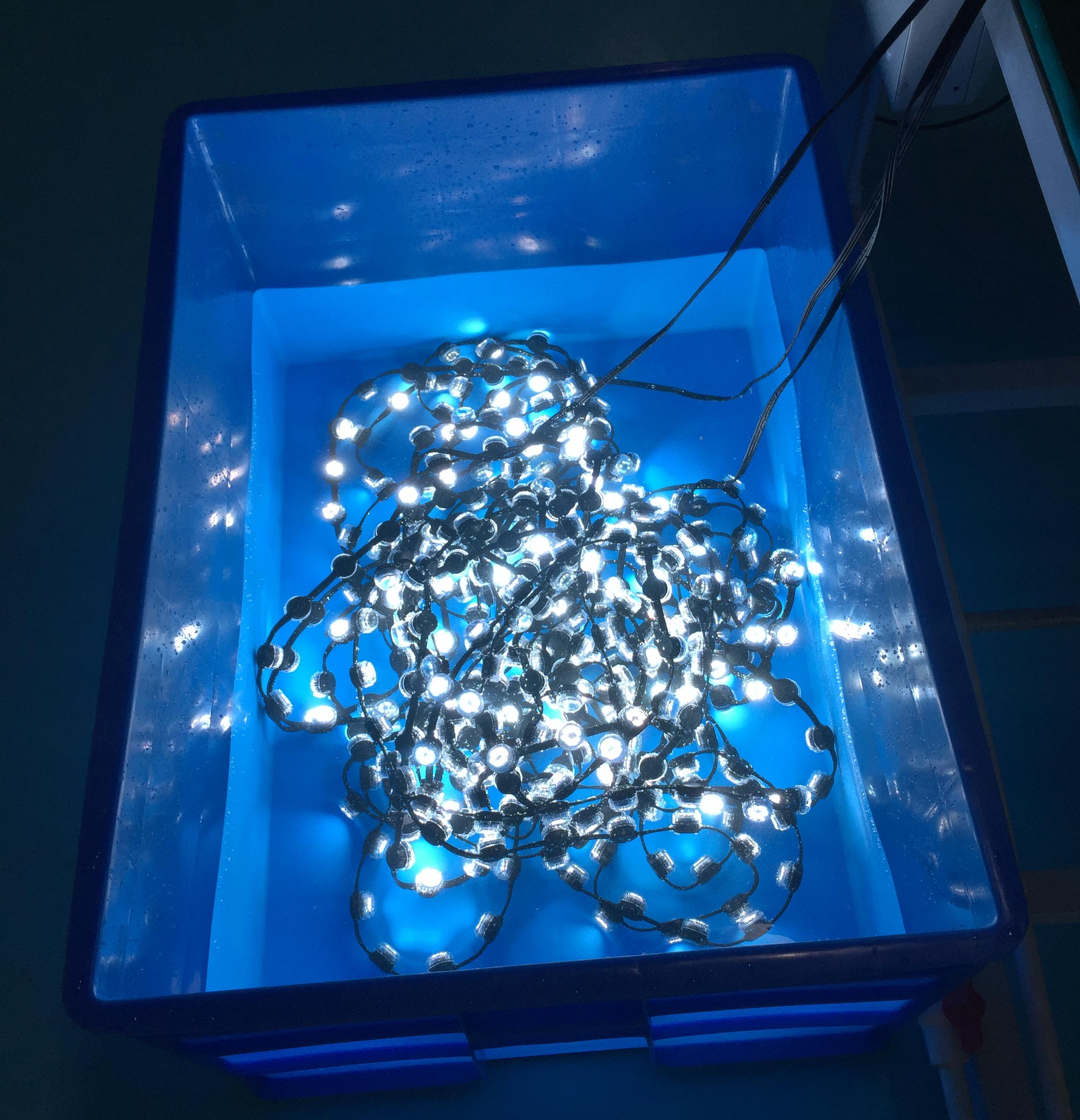
IP67 Waterproof
Confirm the selected model’s protection rating and connector sealing. An outdoor rating does not mean every component can be submerged.
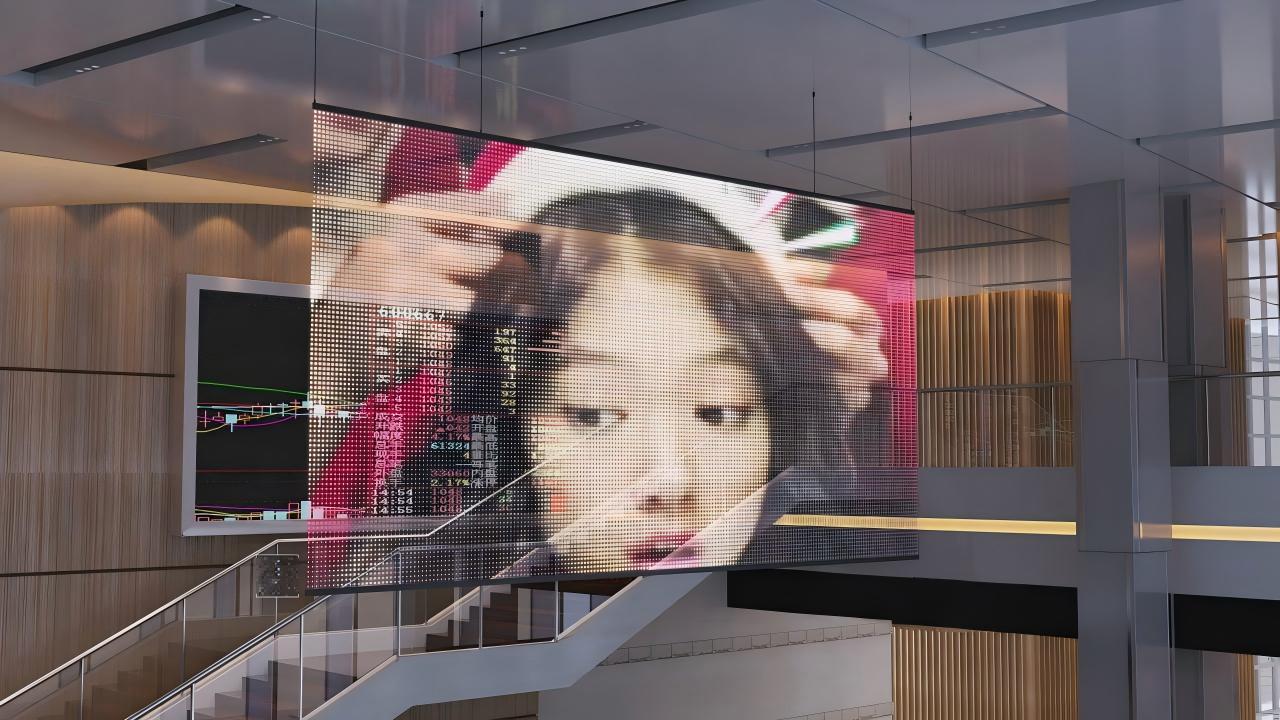
Hang Like a Photo
The mesh format offers flexible layout and handling options. Support structure, mounting points, wind exposure, cable routing and service access must be reviewed for the location. Installation time and labour cost depend on access, screen area and the agreed method; request a model-specific installation plan.
- Review support structure
- Strips removable for custom shapes
- Agree the installation sequence, access and crew plan
Break-point Transferring
Selected configurations support signal continuation past a failed pixel. Confirm the driver IC, supported fault conditions and signal-path behaviour for the proposed model, and request a demonstration.
Functional Features
Confirm the selected configuration’s signal-continuation behaviour under agreed fault tests. This feature does not replace power redundancy, compatible spares or a maintenance plan.
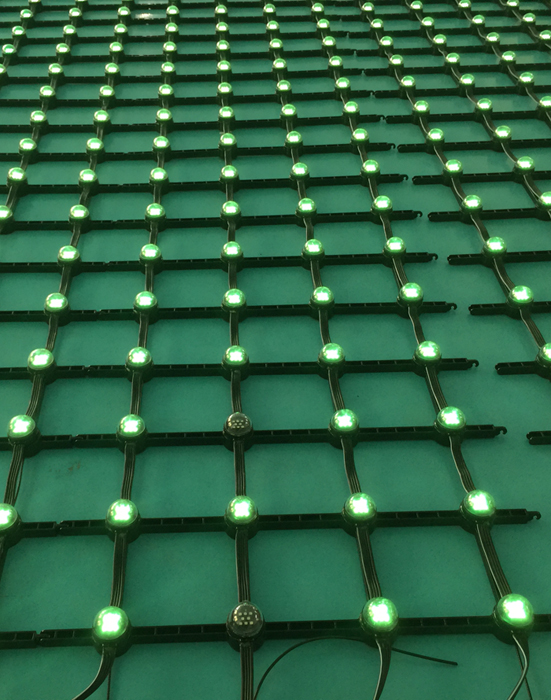
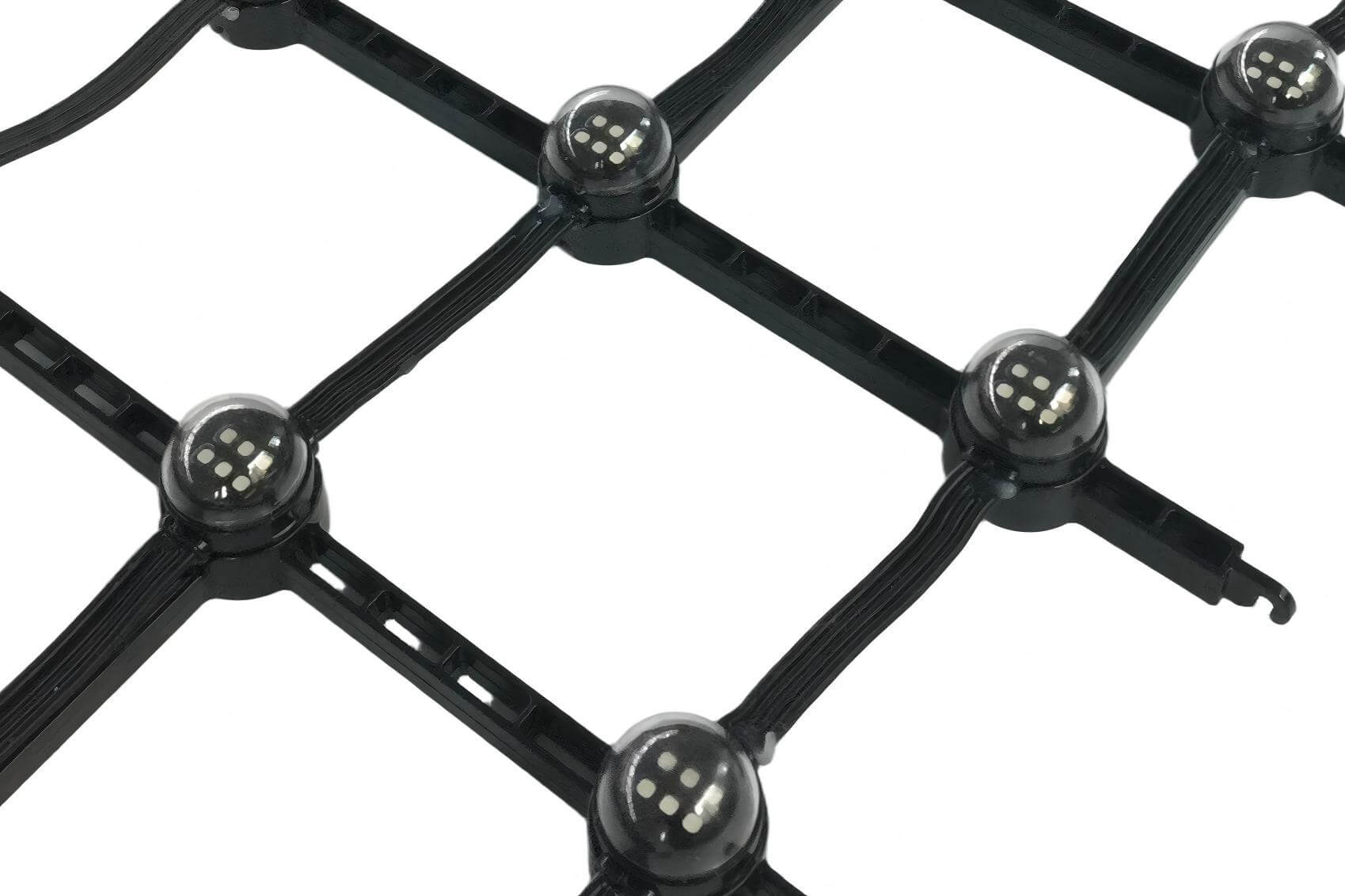
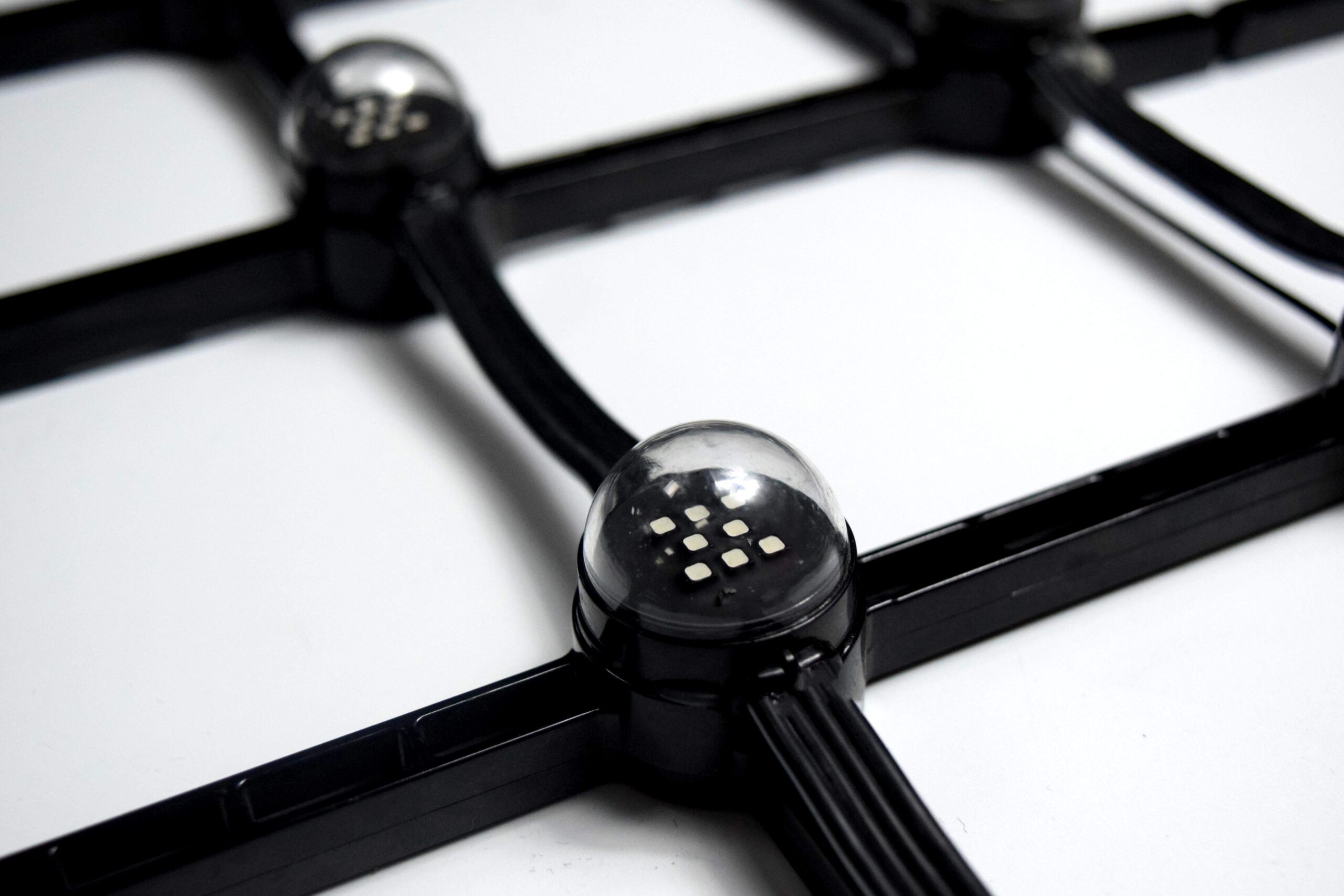
Choose Your Brightness Level
Every environment demands a different luminance, so our G-series LED mesh screen lets you pick the perfect brightness--from standard indoor transparency to ultra-bright outdoor sunlight readability.
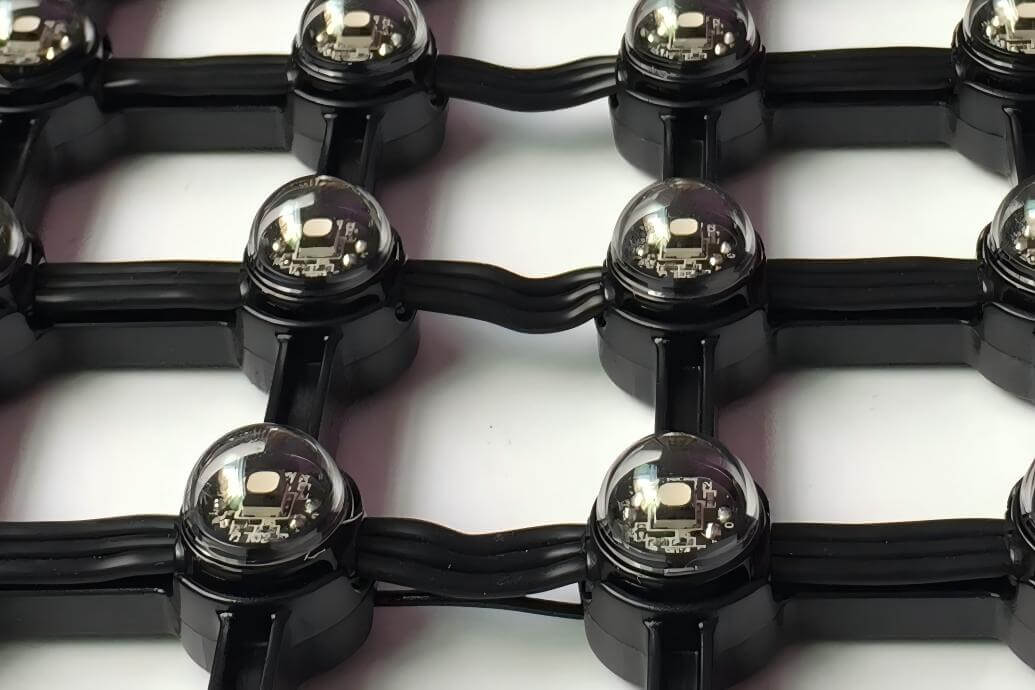
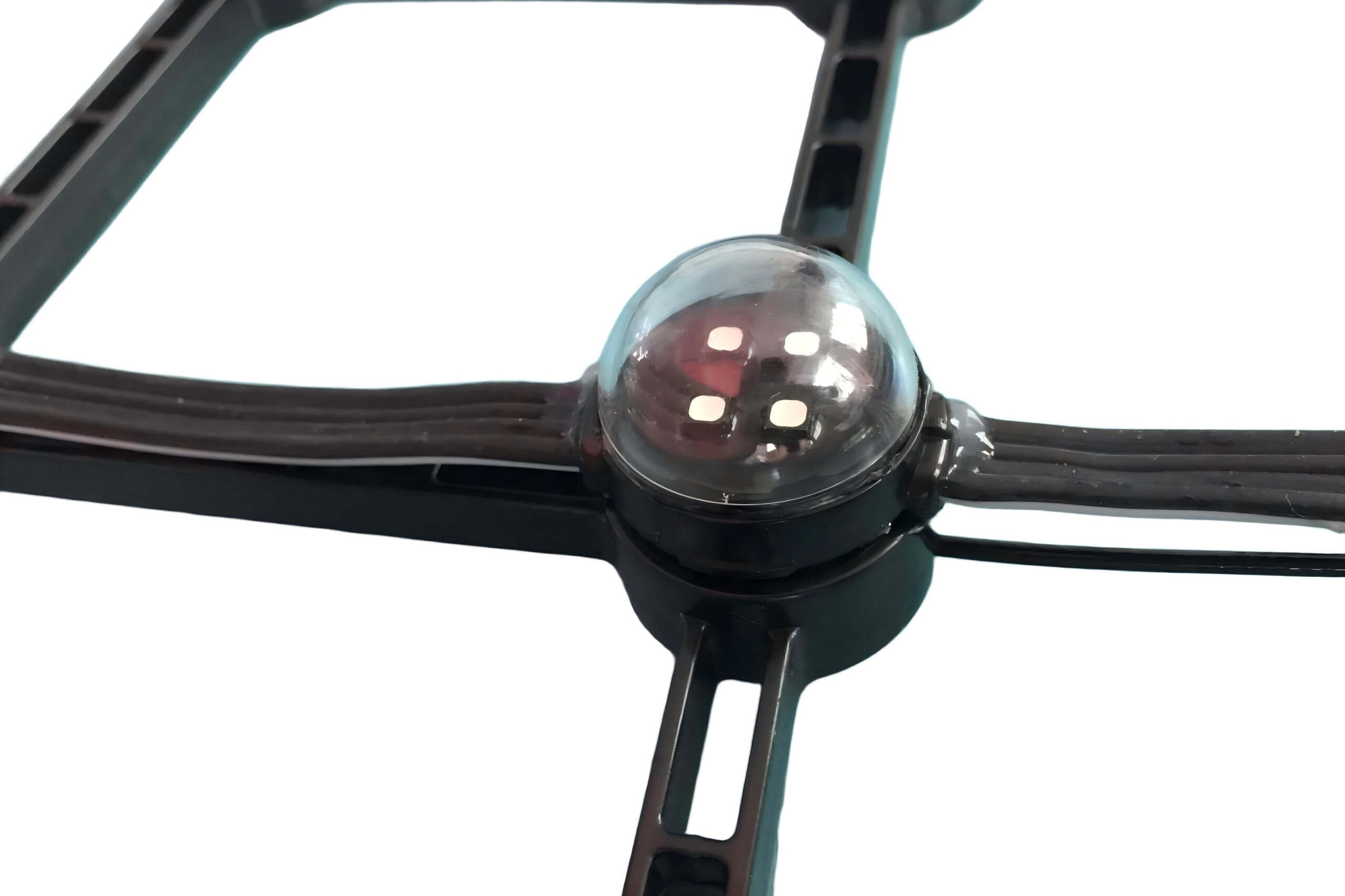
How to Install Your LED Mesh
Every JDX LED mesh screen is designed for quick, hassle-free installation. Follow these simple steps to mount, connect, and power up your screen in minutes.
Mount the Frame
Attach the aluminum frame securely to your structure using the included brackets. Ensure level alignment with a spirit level.
Unpack & Lay Panels
Carefully unpack the G-series panels and lay them face-down on a clean surface. Connect the interlocking tabs between adjacent panels.
Connect Cables
Plug the power and data cables into the designated ports on each panel. Use the included Y-splitters for daisy-chain connections.
Power & Test
Connect the main power supply and turn on the system. Run the built-in test pattern to verify all panels are functioning correctly.
Watch the Full Installation Walkthrough
Our step-by-step video guide covers everything from unpacking to final calibration. Follow along with your installation team for the best results.
- Detailed unboxing and panel handling instructions
- Frame mounting and alignment best practices
- Cable routing and daisy-chain configuration
- First-time power-up and diagnostic testing
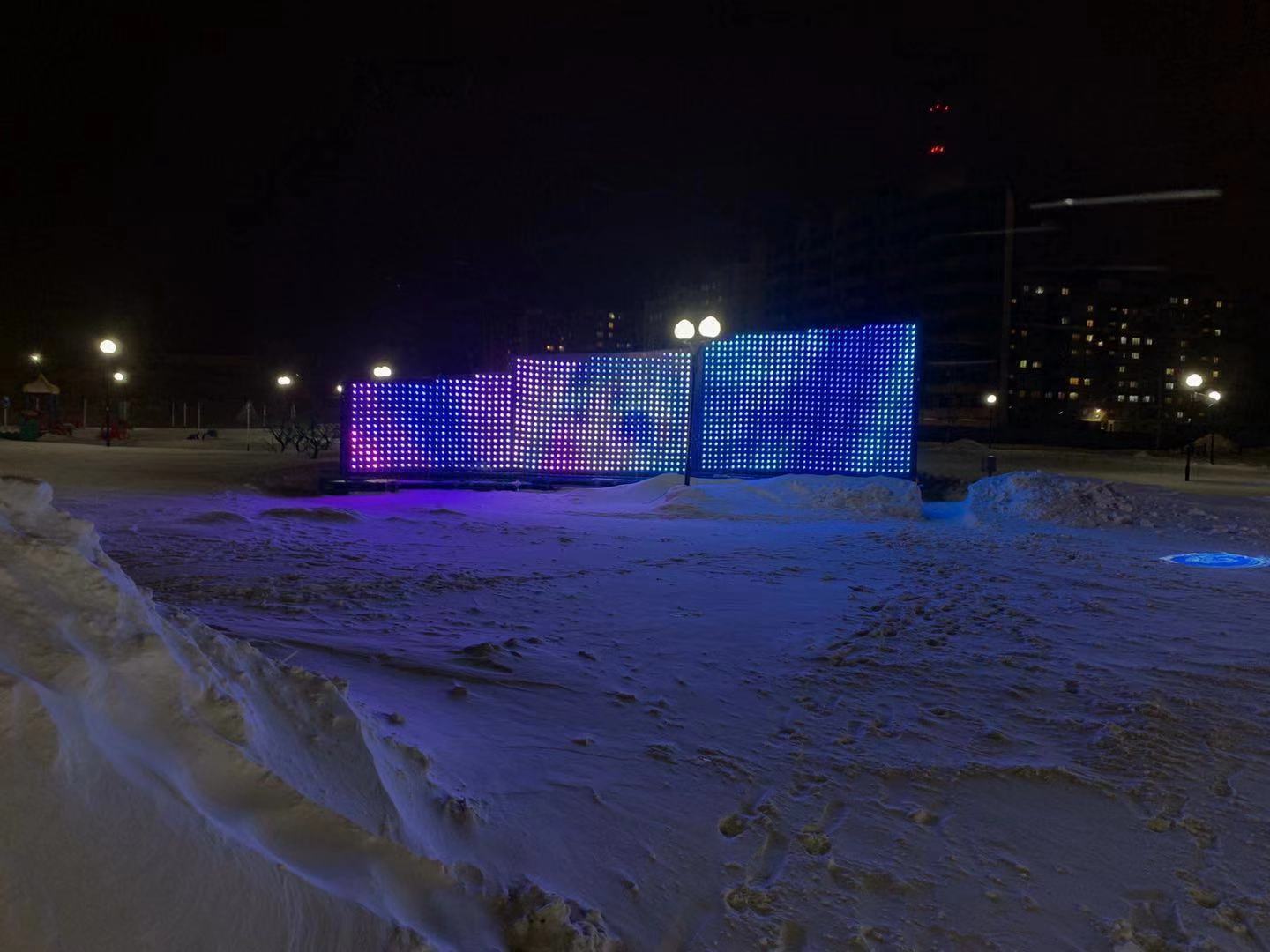
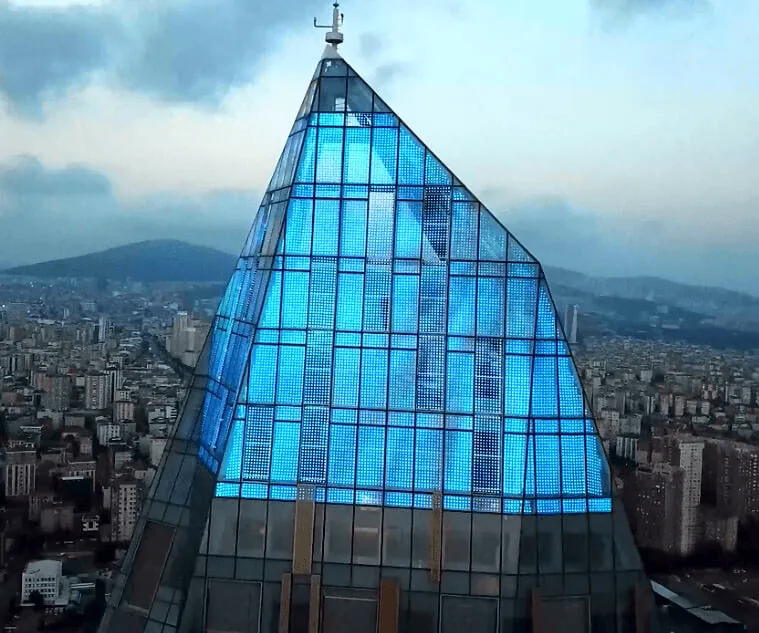
Built for Extremes
Whatever the weather, the LED mesh screen keeps performing.
IP67 Waterproof
Verify the display, connectors and power-supply protection ratings, and plan drainage, sealing and access for the installation.
-40 °C to 60 °C
Confirm the model-specific operating range and test conditions before specifying the installation.
Power and Cabling Scope
Request documents covering the exact power and cable components proposed for the destination.
Break-Point Transferring IC
A single pixel failure stays isolated. Your screen never goes dark.
Confirm the rated low-temperature limit, start-up conditions and protection of the selected configuration.
Review ambient temperature, brightness settings and the cooling and operating limits of the selected model.
Technical Specifications
Nationstar SMD3535 golden-wire LED, 14-bit grayscale, 100 000 h lifetime
| Model | Pixel Pitch | Panel Size (W×H) | Weight | Brightness | Transparency | Power Max |
|---|---|---|---|---|---|---|
| G1-37.5mm | 37.5 mm | 0.3 m × 6.3 m | 4.1 kg/m² | 1 725 nits | 75 % | 350 W/m² |
| G1-56.25mm | 56.25 mm | 0.45 m × 9.45 m | 2.5 kg/m² | 805 nits | 80 % | 155 W/m² |
| G1-75mm | 75 mm | 0.6 m × 12.6 m | 2.1 kg/m² | 635 nits | 85 % | 120 W/m² |
| G1-80mm | 80 mm | 0.64 m × 13.44 m | 2 kg/m² | 575 nits | 88 % | 110 W/m² |
| G1-100mm | 100 mm | 0.8 m × 16.8 m | 1.8 kg/m² | 345 nits | 95 % | 50 W/m² |
Replace LED Mesh Screen Pixels in Seconds
Easy Replacement with One Tool. Replace a faulty pixel from the front without disassembling the screen. Power can stay on -- zero downtime.
Front & Rear Pixel Replacement
Confirm access from each side, the replacement procedure, tools and compatible spare parts.
Selected Power Supply
Confirm the proposed PSU model and the scope of its conformity documents
Power + Signal Silicone Cable
Single‑cable simplicity -- one wire does both
LED mesh screen applications for creative buildings, stages, and transparent displays
JDX LED mesh screens are designed for projects that need large visual impact without blocking light, airflow, or architectural appearance. The lightweight mesh structure, 70-95% transparency, IP67 waterproof rating, and flexible strip design make it suitable for both permanent outdoor facades and temporary creative installations.
Building Facades
Create large outdoor media walls while keeping the original building outline visible and reducing structural load.
Stage & Touring
Build transparent stage backdrops, curved LED curtains, arches, waves, and custom scenic structures for concerts and events.
Retail & Landmarks
Use high-transparency LED mesh for shopping malls, flagship stores, atriums, exhibition halls, and commercial landmarks.
Creative Shapes
Removable LED strips allow custom outlines, irregular shapes, and free-curved designs that standard rigid LED panels cannot match.
How to choose the right LED mesh screen
The best LED mesh configuration depends on viewing distance, installation height, brightness requirement, transparency target, wind load, and whether the screen will be used for a fixed facade or a rental stage project.
| Project Need | Recommended Focus | Why It Matters |
|---|---|---|
| Outdoor building facade | High brightness, IP67 waterproof rating, wind-load planning | Keeps content visible in changing weather and daylight conditions. |
| Stage background | Lightweight panels, flexible shape, quick cable connection | Improves setup speed and makes creative touring structures easier to build. |
| Transparent media wall | 70-95% transparency and suitable pixel spacing | Balances advertising impact with daylight, view-through, and building aesthetics. |
| Large custom shape | Removable strips, custom size, project layout support | Allows arches, circles, waves, irregular outlines, and brand-specific forms. |
LED mesh screen, media mesh, curtain mesh screen — what is the difference?
Buyers around the world use several names for the same product family. Knowing the terms helps you compare quotes that are actually comparable.
LED mesh screen
The most common English term, and the one this page uses. It describes a transparent LED display built from separated LED strips on slim horizontal bars, leaving most of the surface open.
Media mesh
Widely used in Europe for building-scale installations. A media mesh is the same strip-based LED mesh screen specified when the main job is turning a whole facade into a media surface.
Curtain mesh screen
A curtain mesh screen — also called an LED curtain screen — emphasises the rollable, drape-like behaviour. If a supplier quotes a "curtain screen", check the pixel pitch and transparency against our LED mesh screen specs.
Whatever term your specification uses, the questions that decide the quote are the same: pixel pitch, transparency target, brightness, IP rating and mounting method. Send us the term you use and the site details, and we will match it to the right LED mesh screen configuration.
LED mesh screen price: what actually drives the cost
There is no single price per square metre for an LED mesh screen. The numbers below show which variables move the quote the most, so you can compare suppliers on the same basis.
Pixel pitch and LED count per dot
A tighter pitch and more LEDs per dot raise both resolution and cost per square metre. Business facades usually sit at P37–P100; closer viewing distances need denser configurations.
Transparency target
Higher transparency (up to about 95%) means fewer LEDs per square metre. If daylight and airflow matter more than image density, the transparency requirement is the first thing to fix.
Brightness and control system
Facades that must read in direct sunlight need higher-brightness LED mesh screens. The control system, signal routing and any long-distance transmission requirement add cost on top.
Quantity, structure and spares
Total area, custom shapes, the mounting structure and the spare-parts plan all affect the final LED mesh screen price. Send the facade size and viewing distance for an itemised quotation.
Factory support for custom LED mesh display projects
For facade, rental, and creative LED mesh projects, JDX can help match brightness level, transparency, cabinet layout, cable routing, control system, installation method, and spare parts plan before production. Mesh panels are engineered to order in our own plant — read more about our LED display manufacturers.
Layout and size planning
Custom screen size, strip layout, hanging direction, and irregular outline planning can be prepared according to drawings or site photos.
Testing before shipment
Power, signal, waterproof structure, brightness consistency, and aging tests help reduce risk before the LED mesh screen leaves the factory.
Installation guidance
JDX can support system diagrams, cable planning, spare parts recommendations, and remote technical guidance for integrators and rental teams.
LED mesh screen FAQ
Answers to common questions from architects, stage designers, rental companies, media operators, and LED display integrators.
What is an LED mesh screen?
An LED mesh screen is a lightweight, transparent LED display made with separated LED strips or mesh-like modules. It is commonly used for building facades, stage backgrounds, transparent media walls, and creative curved displays.
How transparent is the LED mesh?
Depending on pixel spacing and structure, the LED mesh can provide approximately 70-95% transparency, helping maintain daylight, airflow, and the original visual appearance of a building or stage design.
Can LED mesh be used outdoors?
Yes. JDX LED mesh is designed with IP67 waterproof protection and can be configured for outdoor facade and event applications where rain, dust, and temperature changes must be considered.
Can the LED mesh be made into custom shapes?
Yes. The flexible design and removable strips support arches, waves, circles, irregular outlines, and customized screen dimensions for creative installation projects.
What information is needed for a quote?
Useful details include screen width and height, viewing distance, indoor or outdoor use, installation method, brightness requirement, transparency target, and whether the project is fixed installation or rental use.
?
Ready to Source Premium LED Displays?
Connect directly with JDX TECH's export team for wholesale pricing, technical specs, and customized LED display solutions for your next project.
Wholesale Only
Get a Factory-Direct Quote in 24 Hours
Tell us about your project needs and our export specialists will respond with tailored product recommendations, MOQ details, and competitive wholesale pricing.
Pixel pitch, size, brightness, and installation method tailored to your project
Pre-production samples available for quality verification before bulk order
Door-to-door shipping with customs clearance support for Europe & North America
What buyers usually define before an LED mesh screen quote
LED mesh projects move faster when the buyer defines facade size, structural mounting method, transparency expectations, and media purpose before final pricing begins.
Facade size and structure
Building dimensions, mounting points, wind exposure, and support structure all affect cabinet format and overall installation planning.
Openness versus image density
Projects usually balance airflow, daylight penetration, and architectural appearance against the image impact needed for the media purpose.
Environment and maintenance path
Outdoor exposure, access method, long-term service planning, and electrical routing should be reviewed early so the proposal matches the real site.
Content and control workflow
A stronger quote usually includes playback method, scheduling expectations, signal routing, and whether the facade display is brand-driven, artistic, or advertising-led.