
SlimPixel Series Fine Pitch LED Display Ultra Thin. Seamless. Vivid.
Built for premium indoor visual applications, the SlimPixel Series delivers lightweight structure, front maintenance, wide color gamut, HDR performance, and high refresh clarity for boardrooms, studios, command centers, and flagship commercial spaces.
Available in multiple fine pixel pitch options from P0.78 to P1.875, with 27.5 mm slim cabinets, 4.5 kg lightweight design, and precision die-cast aluminum construction.

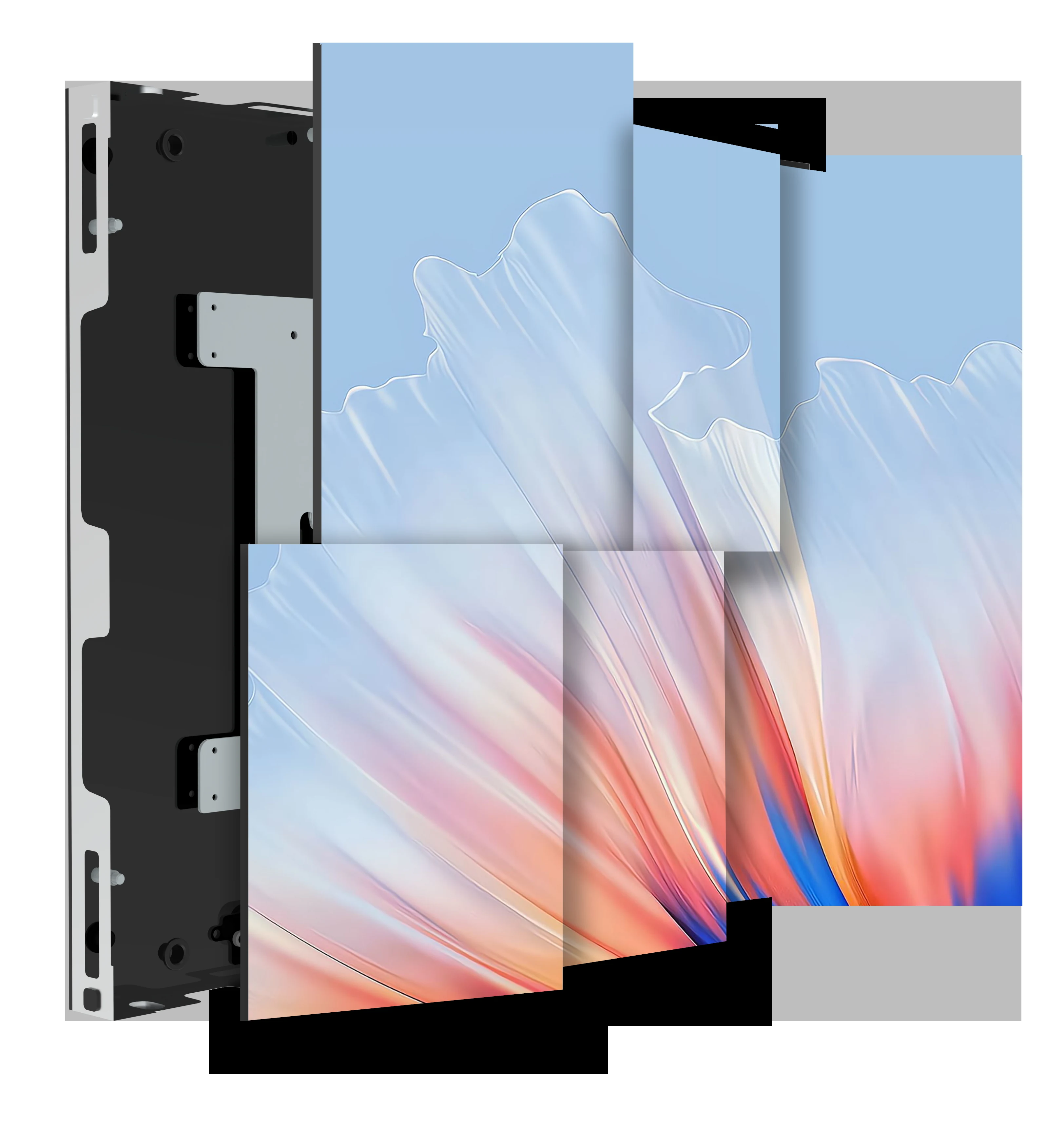
Fine pitch LED display for premium indoor image quality
The SlimPixel Series is designed for customers who need refined image performance, high installation accuracy, and a cleaner visual form factor. Its 600 x 337.5 mm cabinet format, slim 27.5 mm depth, and precision die-cast aluminum structure support elegant wall integration and stable large-screen assembly.
This makes it well suited for conference rooms, exhibition halls, luxury retail, studios, control rooms, and digital experience spaces where image quality and installation aesthetics both matter.
Single cabinet weight is only 4.5 kg, helping reduce transport and installation load.
CNC die-cast aluminum cabinet with flatness up to 0.1 mm for stable seamless splicing.
Why the SlimPixel Series stands out
The product combines installation convenience, visual refinement, maintenance efficiency, and broad scene adaptability in one indoor LED display platform.
Ultra-thin design
Slim 27.5 mm cabinet depth helps create cleaner wall-mounted and embedded installations.
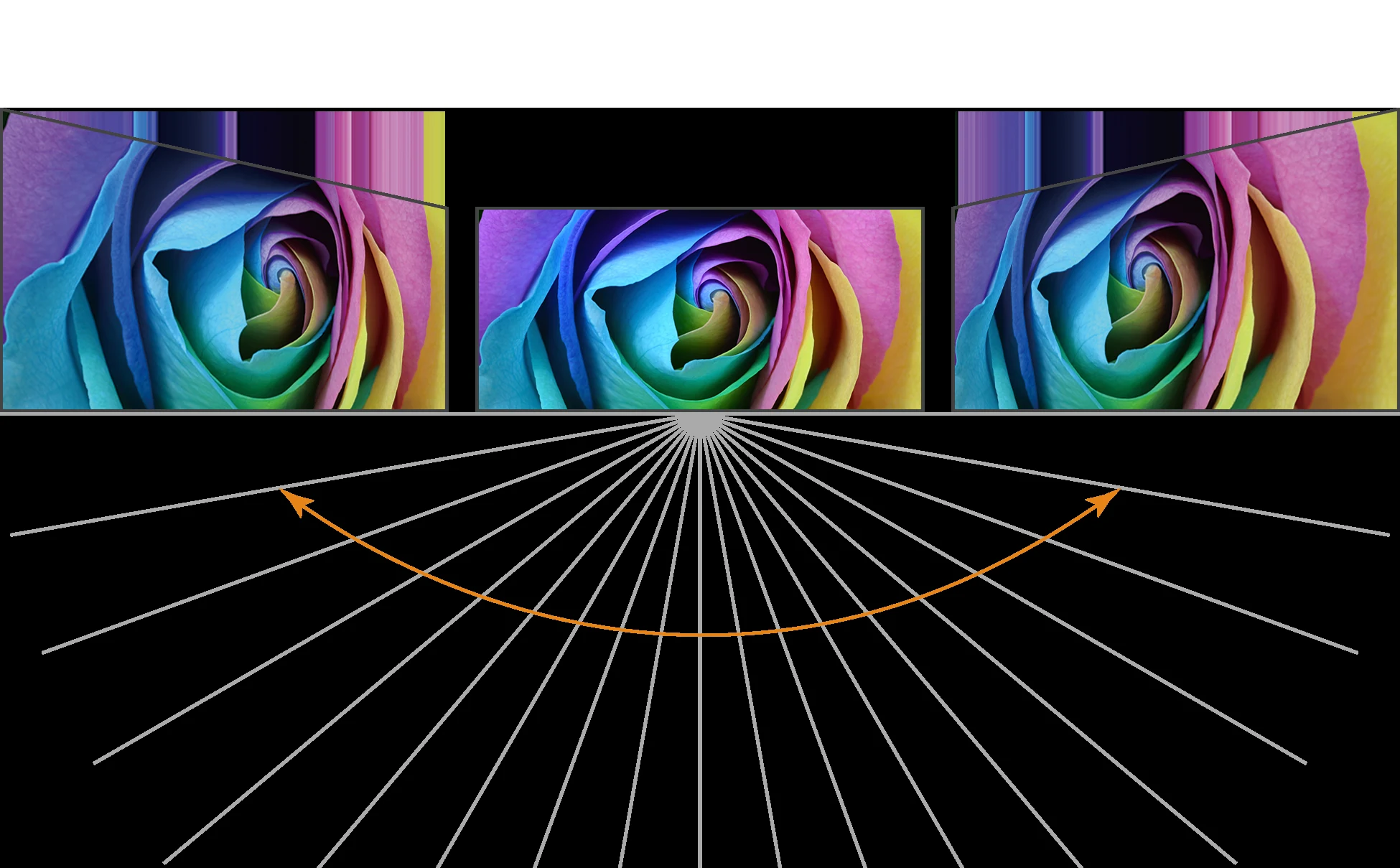
Wide viewing angle
Up to 170 degree horizontal and vertical viewing angle for a broad and consistent audience view.
Silent operation
Fanless design supports low-noise performance for meeting rooms, studios, and display environments.
Front installation and maintenance
Service work can be completed from the front side, making space planning more flexible.
HDR, wide color gamut, high grayscale, and high refresh clarity
SlimPixel Series is designed for detailed indoor images. Confirm wide-colour-gamut, HDR processing and low-brightness grayscale behaviour against the selected panel and control-system configuration, using representative content before approval.
The published series specification lists a 3,840 Hz refresh rate and 16-bit grayscale. These are part of the display configuration, not a guarantee of camera performance. Review the selected panel, driver and scan configuration, receiver card, processor, frame rate, shutter settings and brightness together; approve a test using the intended camera and content.
Confirm source format, processor support and the selected panel configuration, then review bright and dark image detail with representative content.
Confirm the refresh configuration for the selected model. For filming, test shutter settings, frame rate, brightness and camera position; refresh rate alone does not eliminate moiré or guarantee flicker-free footage.

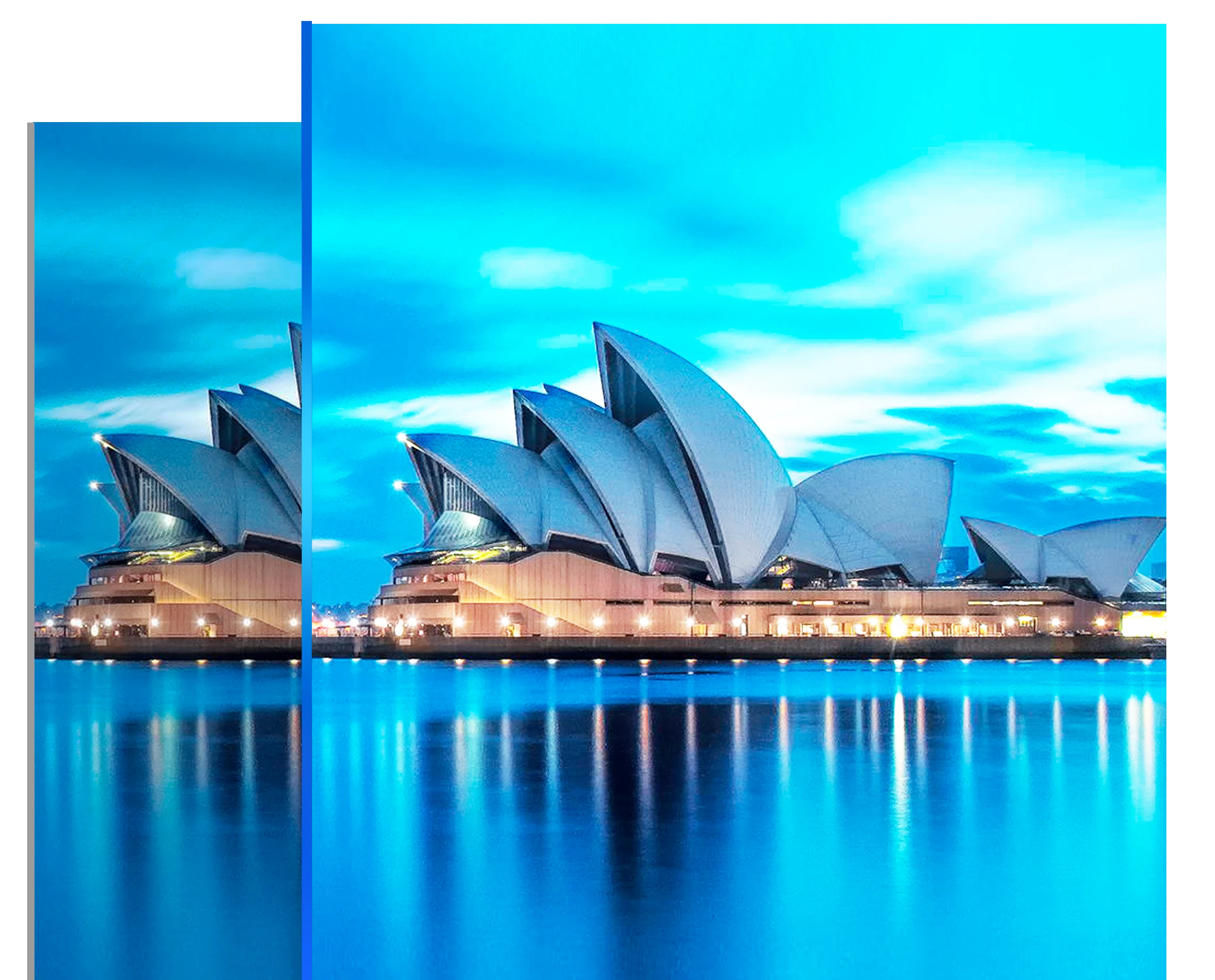
Fast front maintenance with multiple installation methods
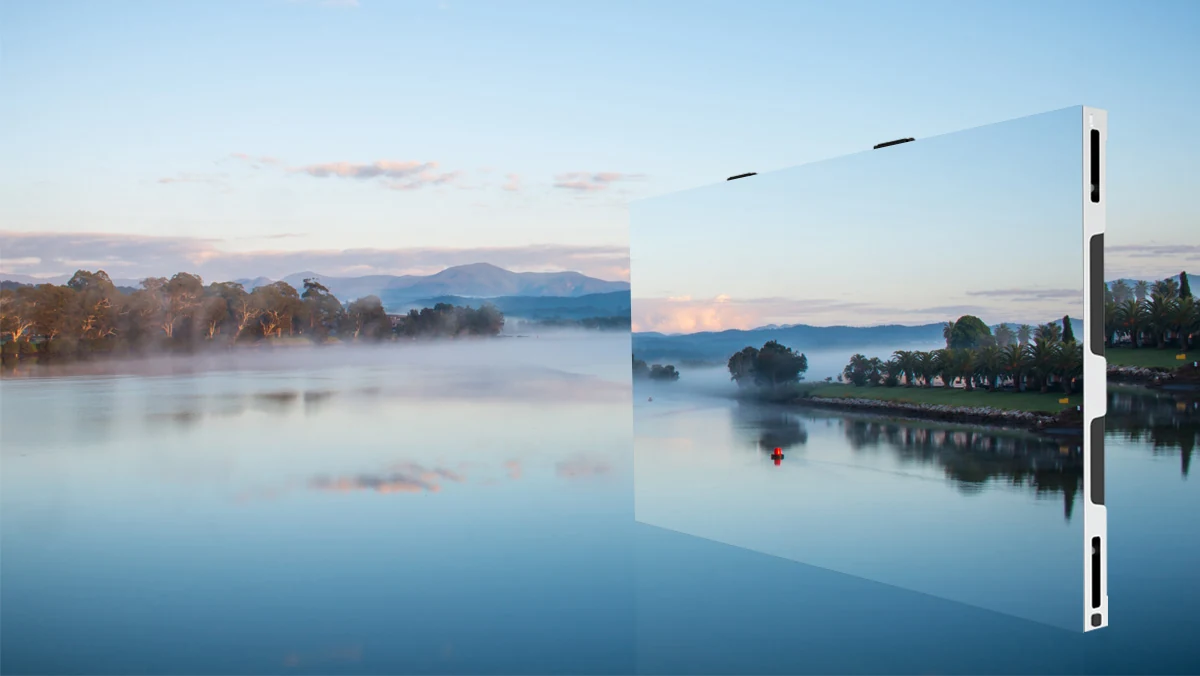
The SlimPixel Series supports front installation and front maintenance, helping simplify project servicing where rear access is limited. This is useful for wall-mounted conference displays, embedded commercial screens, studio walls, and architectural display zones.
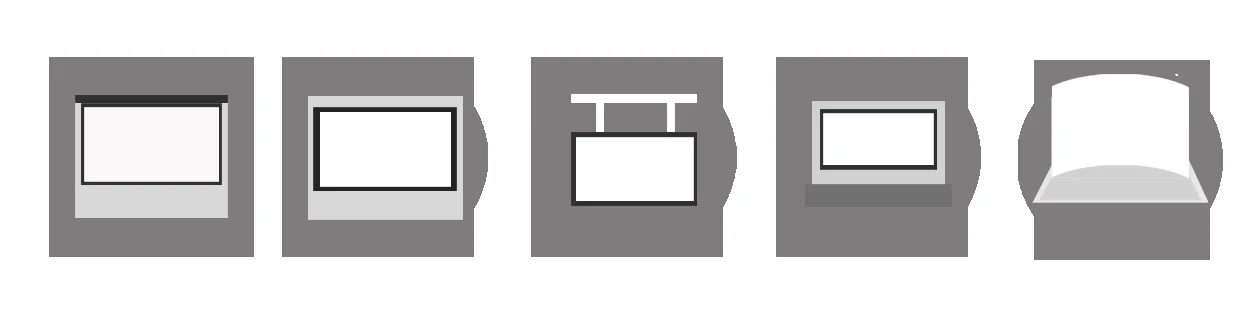
The structure also supports wall-mounted, embedded, hanging, floor-standing, and curved installation forms, giving system integrators and project designers greater planning flexibility.
SlimPixel Series specifications
Series reference values from the current product presentation. Confirm the exact model and its approved datasheet, including dimensions, weight, brightness, power conditions and the scope of conformity documents, before ordering.
| Specification | Details |
|---|---|
| Pixel Pitch Options | P0.78 / P0.93 / P1.25 / P1.56 / P1.875 |
| Cabinet Size | 600 x 337.5 x 27.5 mm |
| Cabinet Weight | 4.5 kg |
| Maintenance Mode | Front maintenance |
| Cabinet Material | Die-cast aluminum |
| Brightness | 600 nits or above |
| Color Temperature | 1000 K to 18500 K adjustable |
| Viewing Angle | 170 degree / 170 degree |
| Contrast Ratio | 10000 : 1 |
| Grayscale | 16 bit |
| Refresh Rate | 3840 Hz |
| Max / Avg Power | 350 W per square meter max / 100 W per square meter average |
| Ingress Protection | IP31 |
| Input Power | AC90-264V, 47-63Hz |
| Certifications | CE / RoHS |
Fine pitch LED display applications
Suitable for indoor scenes that require precision image quality, close viewing distance, and premium installation finish.
Conference Rooms
Review the closest viewing position, wall size and smallest text in the intended content. Compare the proposed resolution using spreadsheets, presentations or video-call layouts before confirming a pitch.
Control Rooms
For monitoring projects that require continuous operation, confirm the operating schedule, thermal conditions, redundancy, maintenance access and spare-parts plan. Review low-brightness grayscale and colour consistency with representative dashboards.
Broadcast Studios
Specify the wall around the intended cameras, frame rate, shutter settings and studio lighting. Confirm panel and processor compatibility, then approve a recorded test at the planned brightness and camera positions.
XR & Virtual Production
XR and virtual-production projects need a configuration review covering synchronisation, signal latency, tracking, colour reproduction and on-camera testing. These requirements must be confirmed for the complete system rather than assumed from pixel pitch or refresh rate.
Retail & Brand Showrooms
Match pixel pitch to the closest viewing position, wall dimensions and product imagery or text. Review content at the proposed native resolution. Confirm cabinet depth, brackets, trim and service clearances when planning flush wall integration.
Museums & Exhibitions
For long-running exhibition displays, review the operating schedule, ambient conditions and service plan. Confirm front-service procedures and the space required to replace modules and access components.
Fine pitch LED video walls
A fine pitch LED video wall is simply a seamless LED wall built from small-pitch cabinets, and it is the format most often chosen when the screen becomes a permanent part of the room rather than a stage prop. Where a standard control room video wall is specified for 24/7 monitoring, a fine pitch video wall is equally at home in a boardroom, a broadcast set, a flagship store or an XR volume, where the viewers stand close and the image has to survive on camera.
Choosing between them comes down to three questions: how close the audience sits, how many hours a day the wall runs, and whether the content is mostly text and data or full-motion brand footage. Our SlimPixel cabinets answer all three with pitches from P0.78 to P1.875, a 3,840 Hz refresh rate, front service access and 27.5 mm cabinet depth. To compare a fine pitch video wall against other formats before you specify, start from our application-based LED display solutions or the 2026 LED wall buyer’s guide.
Fine pitch video wall: quick selection
- Close-view content: compare pitch, native resolution and the smallest text at the intended viewing position.
- Larger indoor walls: compare screen area, content detail and budget; review a sample before choosing a pitch.
- On-camera use: test the complete panel and processor configuration with the intended camera, shutter settings and brightness.
- Flush wall integration: plan front service access if there is no rear maintenance path.
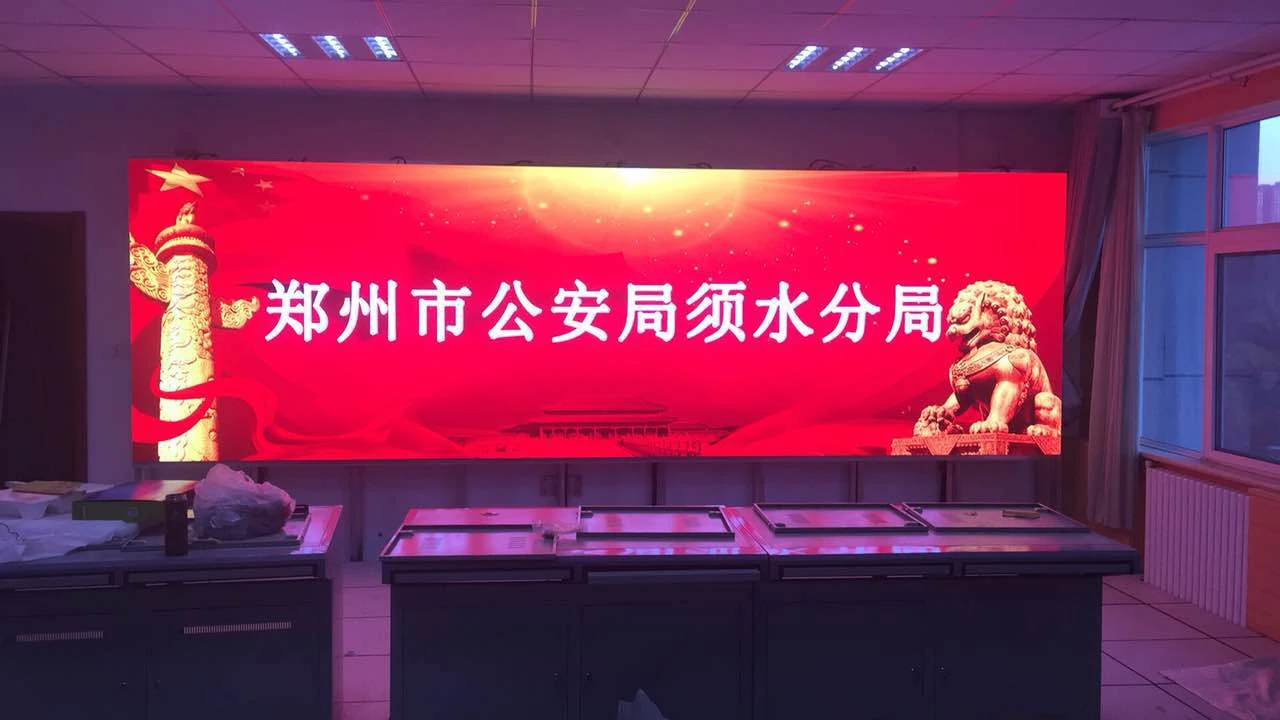
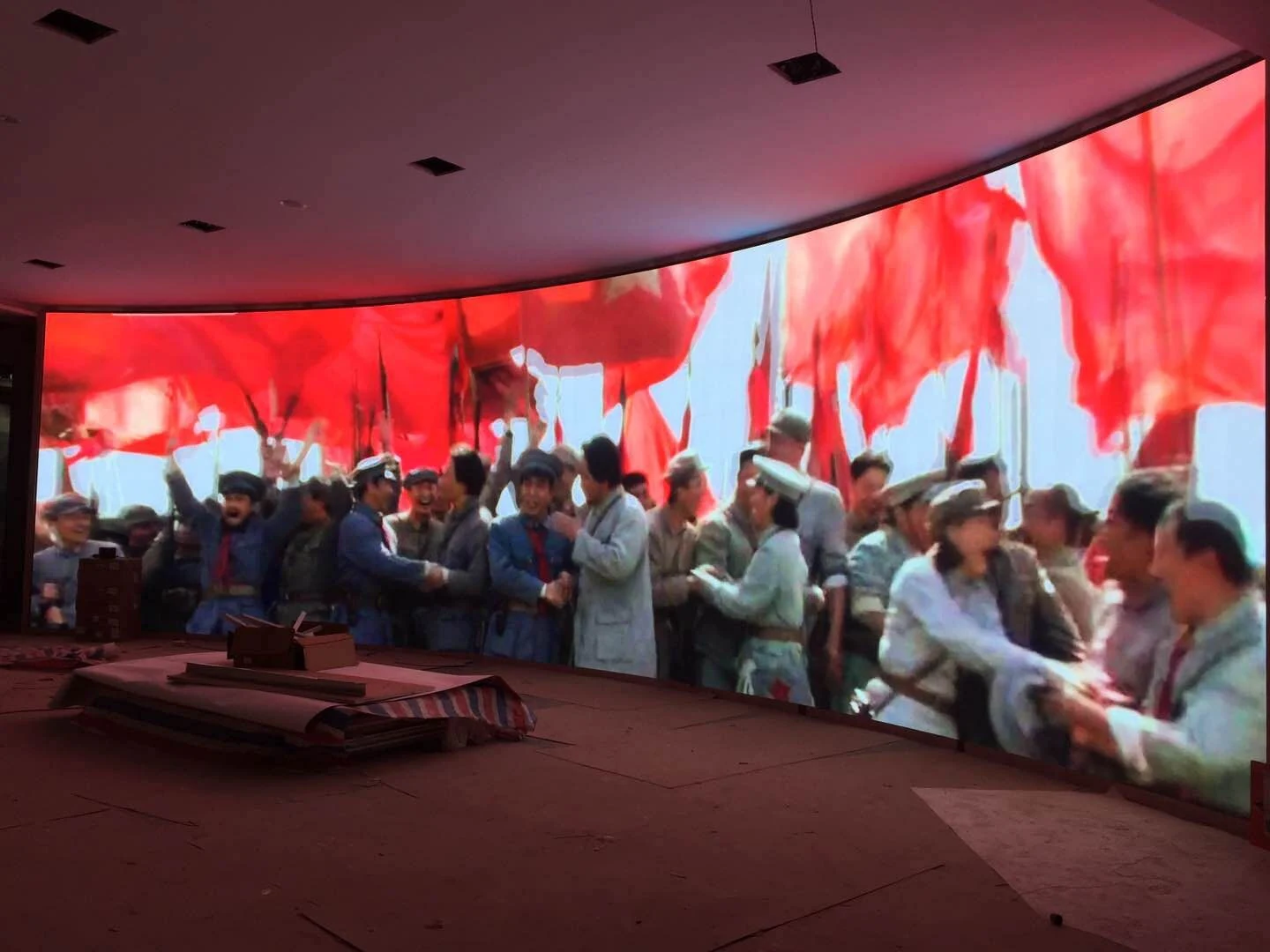
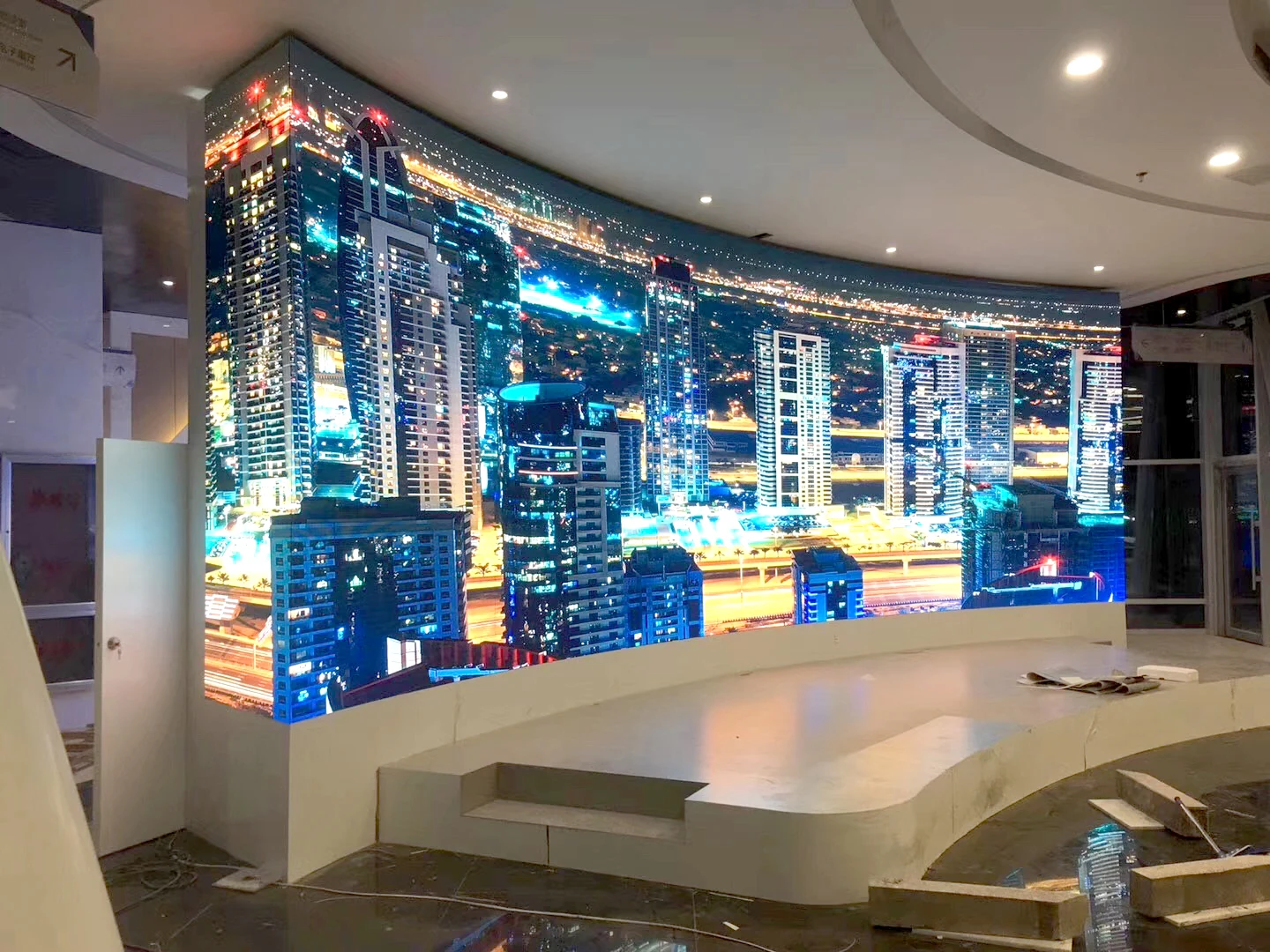
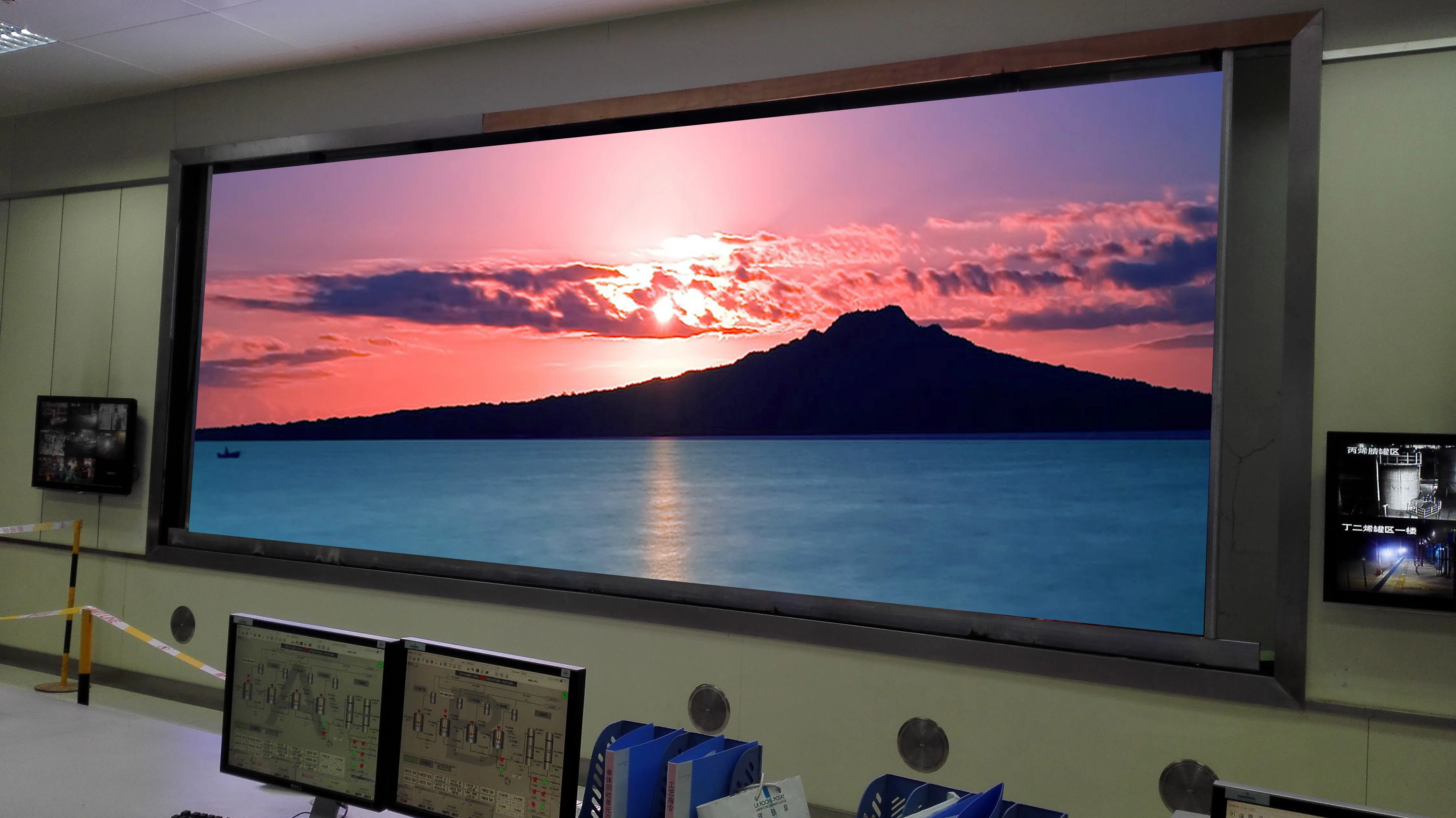
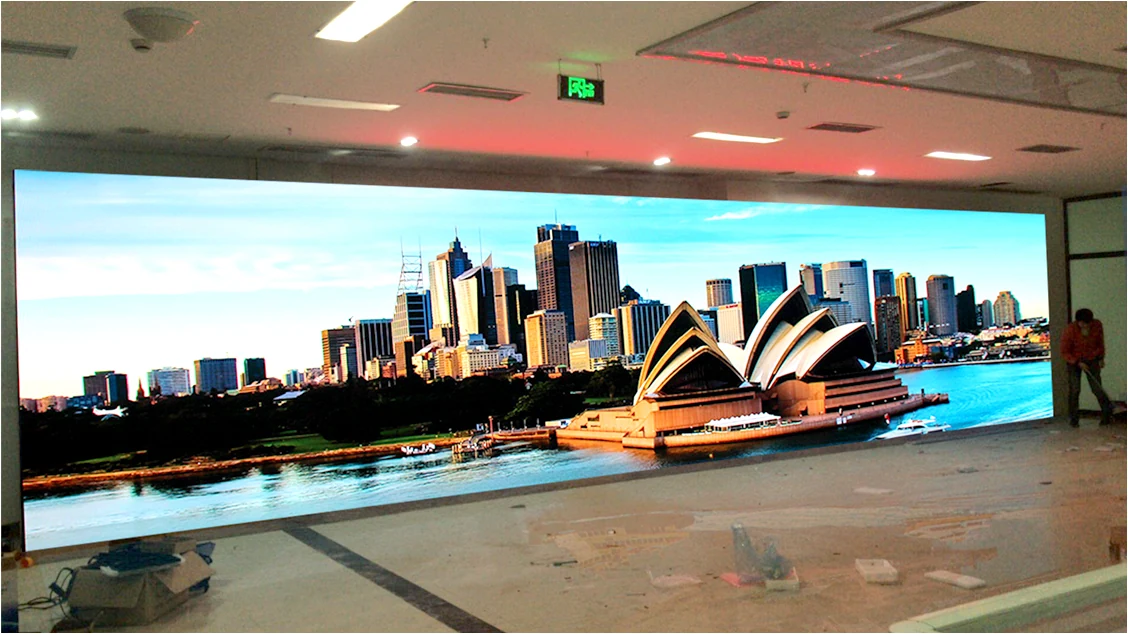
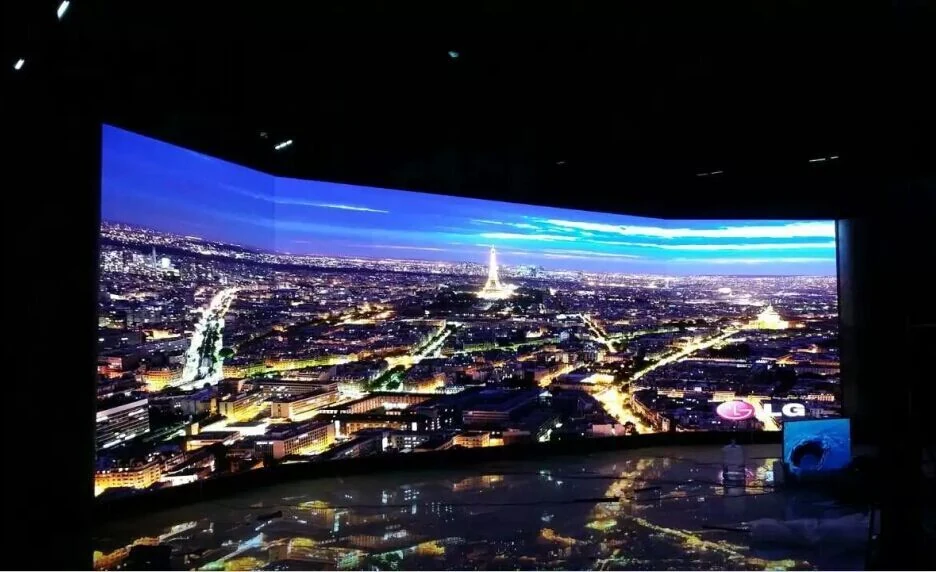
Fine pitch LED display project images
Representative installation visuals from the source presentation, covering curved walls, meeting spaces, immersive rooms, and premium indoor applications.
How to choose the right fine pitch LED display
Start with the closest viewing position, wall dimensions, native-resolution target and the smallest text or image detail to be shown. A smaller pitch puts more pixels into the same physical area; compare representative content and complete project cost rather than choosing from a viewing-distance formula alone.
| Pixel Pitch | Viewing-Distance Check | Best-Fit Applications | Project Value |
|---|---|---|---|
| P0.78 | Review close-up detail | Broadcast studio, luxury showroom, high-end command center | Maximum detail for premium close-up viewing |
| P0.93 | Review text and graphics | 4K boardroom, executive briefing center, monitoring room | High resolution with excellent image refinement |
| P1.25 | Test at planned distance | Control room, corporate presentation, studio LED wall | Balanced choice for 2K and 4K indoor video walls |
| P1.56 | Compare content resolution | Conference room, retail display, showroom video wall | Strong visual quality with controlled project cost |
| P1.875 | Check smallest text | Lobby display, indoor advertising, exhibition space | Efficient HD display solution for larger indoor walls |
Resolution target
A 2K, 4K, 8K, or custom LED video wall can be configured by matching pixel pitch with the planned screen width and height.
Viewing distance
Review detail at the closest viewing position. For large rooms, also check that text and graphics are large enough for the farthest viewer; assess camera distance and lens choice separately.
Installation method
Wall-mounted, embedded, hanging, and curved layouts all affect cabinet configuration, service access, and structural planning.
What size is a native 4K fine pitch LED display?
Native 4K UHD means a physical LED pixel matrix of 3,840 × 2,160 pixels. Accepting a 4K video input is different: a processor can scale that signal to a wall with a lower native resolution. These examples use the currently published 600 × 337.5 mm SlimPixel cabinet and its listed pixel matrix.
| Pixel Pitch | Cabinets for 4K layout | Panel Resolution per cabinet | Wall Size | Pixel Density | Viewing Check |
|---|---|---|---|---|---|
| P0.78 | 25 5 × 5 layout | 768 × 432 px | 3 × 1.6875 m ≈ 9.84 × 5.54 ft | ≈ 1.64 M px/m² | Review fine detail |
| P0.93 | 36 6 × 6 layout | 640 × 360 px | 3.6 × 2.025 m ≈ 11.81 × 6.64 ft | ≈ 1.14 M px/m² | Review text detail |
| P1.25 | 64 8 × 8 layout | 480 × 270 px | 4.8 × 2.7 m ≈ 15.75 × 8.86 ft | 640 K px/m² | Test intended content |
| P1.56 | 100 10 × 10 layout | 384 × 216 px | 6 × 3.375 m ≈ 19.69 × 11.07 ft | ≈ 410 K px/m² | Check viewing position |
| P1.875 | 144 12 × 12 layout | 320 × 180 px | 7.2 × 4.05 m ≈ 23.62 × 13.29 ft | ≈ 284 K px/m² | Check smallest text |
Each listed layout produces 3,840 × 2,160 native pixels: 5 × 768 = 3,840 and 5 × 432 = 2,160, for example. With the same cabinet format and native-resolution target, a cabinet with more pixels needs fewer cabinets and produces a smaller wall. Cabinet count alone does not determine price; compare model, screen area, controller, structure, spares and installation scope in an itemised quotation.
Configuration notes: pitch labels are nominal model names; the cabinet pixel matrix determines this calculation. The P1.875 example uses 320 × 180 pixels per cabinet. Confirm the exact model in the approved datasheet; a separately supplied P1.86 model requires its own calculation. Sizes describe the active cabinet layout, excluding brackets, trim and service clearances. Feet are approximate conversions using 1 ft = 0.3048 m. Viewing comfort depends on content and the installation, not a guaranteed distance threshold.
Quality control and project support for fine pitch LED screens
Fine pitch LED display projects need more than a cabinet specification. Stable performance depends on module consistency, cabinet flatness, color calibration, signal configuration, aging tests, and practical installation support.
Pre-shipment inspection
JDX can support module testing, cabinet assembly inspection, power and signal checks, brightness consistency review, and aging before shipment.
Cabinet layout planning
For each indoor LED video wall, the cabinet layout can be matched to screen size, resolution target, maintenance direction, and site installation conditions.
System configuration support
The display system can be planned around sending cards, receiving cards, video processors, control software, and multi-source signal requirements.
After-sales service planning
Spare modules, power supplies, receiving cards, installation guidance, and technical support help integrators and end users maintain long-term display performance.
What buyers usually need to confirm before procurement
Fine pitch LED display decisions usually move faster when the project team aligns application type, viewing distance, service direction, and signal workflow before requesting the final quotation.
Application fit
Suitable for control rooms, boardrooms, studios, premium retail, showrooms, and other close-view indoor spaces where image refinement matters.
Pixel pitch guidance
Viewing distance and resolution target should be reviewed together so the LED wall delivers the right balance between image detail and project cost.
Service and structure planning
Front maintenance, wall embedding, hanging, or curved installation all affect cabinet selection and long-term usability.
Control workflow
A clearer quote can be prepared when the project already defines sending cards, processors, input sources, and daily operation needs.
Fine pitch LED display is quoted by screen area. The final price depends on pixel pitch, brightness level, cabinet material and order quantity. Send your screen size and viewing distance and we will return an itemised quotation.
Fine pitch LED display FAQ
Common questions for buyers, integrators, designers, and project teams comparing indoor fine pitch LED screen solutions.
What is a fine pitch LED display?
A fine pitch LED display is an LED screen with small pixel spacing, usually below P2.5. It is designed for close viewing and high-resolution indoor applications such as conference rooms, control rooms, broadcast studios, and retail spaces.
What pixel pitch should I choose?
The best pixel pitch depends on viewing distance, screen size, resolution target, and budget. P0.78, P0.93, and P1.25 are suitable for closer viewing, while P1.56 and P1.875 are often practical for larger indoor HD LED video walls.
Can a fine pitch LED wall achieve 4K resolution?
Yes, when the physical cabinet layout totals 3,840 × 2,160 pixels. A 4K-compatible video input alone does not make the screen native 4K. Confirm the cabinet pixel matrix, quantity and layout, active wall size and processor requirements for the selected model.
Why is front maintenance important?
Front maintenance allows modules and key components to be serviced from the front side of the screen. This is valuable for wall-mounted and embedded installations where rear access is limited.
Where are fine pitch LED screens commonly used?
They are widely used in boardrooms, command centers, monitoring rooms, broadcast studios, corporate lobbies, exhibition halls, retail showrooms, and immersive commercial spaces.
How does JDX support a fine pitch LED display project?
JDX can help with pixel pitch selection, cabinet configuration, technical drawings, system matching, installation guidance, spare parts planning, and after-sales technical support.
Why does a fine pitch LED display sometimes show moiré patterns on camera, and how do you avoid them?
Moiré can occur when the camera sensor grid interacts with the LED pixel grid. Pixel pitch, camera distance, lens, focus and shooting angle affect the result. Adjustments may reduce the pattern, but no single setting guarantees removal. Flicker and scan-line banding involve timing and drive configuration; refresh rate alone does not guarantee a clean image. Test both effects with the intended camera and content.
How does a fine pitch LED display compare with an LCD video wall?
A modular LED wall offers a continuous image without LCD bezel lines. Compare actual models on native resolution, viewing distance, brightness, contrast, service access, operating schedule and total installed cost. Neither technology is automatically the best option for every room.
What does a broadcast or XR studio need from a fine pitch LED screen?
Review panel and driver configuration, refresh timing, receiver card, processor, frame rate, shutter settings, low-brightness grayscale and colour calibration. Confirm whether the complete system supports the synchronisation and latency required by the workflow. XR projects also need a separate review of tracking and content integration. Approve a recorded test rather than relying on refresh rate alone.
Does a fine pitch LED display need special power or cooling planning?
Include maximum and typical power, measurement conditions, electrical distribution and ventilation requirements in the project review. Confirm the power and thermal information supplied for the selected configuration before sizing the electrical and cooling systems.
Looking for the right fine pitch LED display for your project?
Share your viewing distance, installation environment, target screen size, and application scenario. We can help match the right fine pitch LED model and cabinet configuration for your project.